
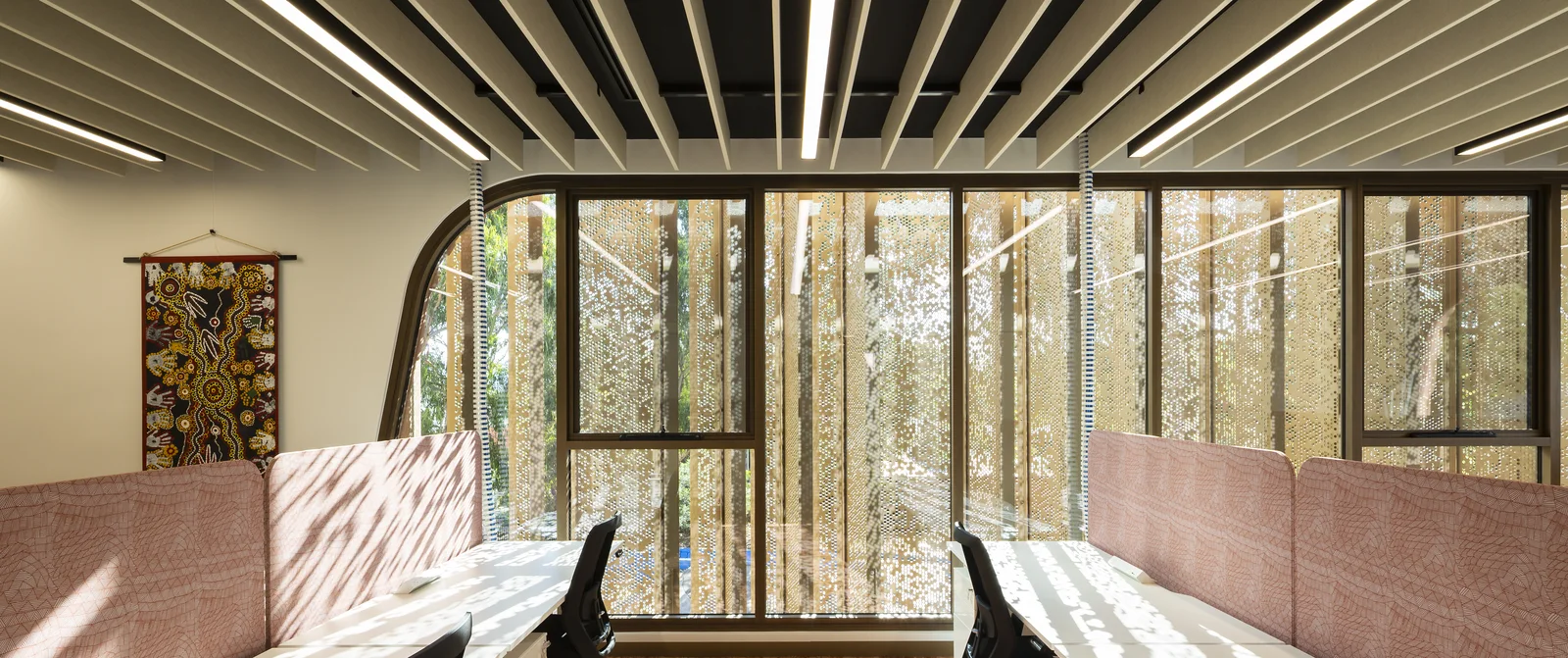
Light Reflectance Value (LRV) or Luminous Reflectance Factor (LRF) is an important metric for architects and interior designers, helping them comply with building standards, meet energy requirements, and better predict how colours will appear within a space 1,3. Light in the built environment comes from two sources: direct illumination and indirect reflection. Since most light indoors is reflected rather than direct, the colour, texture, and materiality of interior surfaces significantly influence how much light reaches an occupant’s eyes and, ultimately, the visual comfort of a space.
Light Reflectance Value (LRV) or Luminous Reflectance Factor (LRF) is an important metric for architects and interior designers, helping them comply with building standards, meet energy requirements, and better predict how colours will appear within a space 1,3. Light in the built environment comes from two sources: direct illumination and indirect reflection. Since most light indoors is reflected rather than direct, the colour, texture, and materiality of interior surfaces significantly influence how much light reaches an occupant’s eyes and, ultimately, the visual comfort of a space.
Architects and designers must anticipate how interior materials will interact with both natural and artificial lighting. LRV helps predict how colours will appear in real world conditions, especially when viewed alongside other surfaces and under varying lighting types 3. Generally, higher LRV surfaces enhance brightness and make rooms feel more spacious, while lower LRV surfaces create depth, intimacy, and a sense of luxury. LRV also plays a role in energy performance. Achieving appropriate illumination levels without over reliance on artificial lighting improves energy efficiency 3. High LRV surfaces reflect more light, reducing the need for electrical lighting during the day. In cooler climates, lower LRV materials absorb lighter and heat, reducing heating demand. Bright ceilings can mimic the openness of the sky, aligning with biophilic design principles to make spaces feel larger and more inviting. Workplace, retail, and education environments especially benefit from higher LRV surfaces, which can enhance alertness and productivity.
LRV is a critical tool for creating accessible and inclusive environments. Designers can use contrast to support safer wayfinding, particularly for people with low vision. Standards such as BS 8300 2:2018 and AS 1428.1 recommend at least a 30% LRV difference between adjacent surfaces to facilitate safe navigation 1. Appropriate contrast between floors, walls, ceilings and handrails enhances spatial legibility. For example, pairing a high LRV wall with a low LRV floor not only improves visibility but also adds visual depth and interest to the interior.
In the realm of acoustic materials, understanding LRV allows architects and interior designers to make decisions that enhance both visual and auditory comfort. Acoustic wall panels such as Pico Embossed Panel and HANTORE® 12mm are frequently specified to control sound reverberation, while ceiling products like, Array 24mm address acoustic performance overhead. Because walls and ceilings occupy large surface areas, they significantly influence a space’s overall lighting conditions. Ceilings, in particular, play a dual role: they house lighting systems and act as major reflective surfaces. The LRV of acoustic ceiling materials directly affects the efficiency of downlighting and the distribution of light throughout a room. High LRV ceilings can contribute to Green Star, WELL™, LEED, and BREEAM® credits by reducing reliance on artificial lighting, minimising glare, and improving visual comfort. The HANTORE® 12mm colour palette - the hero palette from which other HANTORE ranges are derived - has been tested according to ASTM E1477 98A:2017. See table below.
Thoughtful integration of acoustic materials with LRV informed colour selection results in spaces that are not only aesthetically cohesive but also functional, energy efficient, and comfortable. LRV should be considered a fundamental design factor — an essential tool influencing lighting performance, energy consumption, accessibility, and overall user experience.
HANTORE® 12mm colour palette as of September 2025. ASTM E1477-98A:2017 - 2025 Testing.